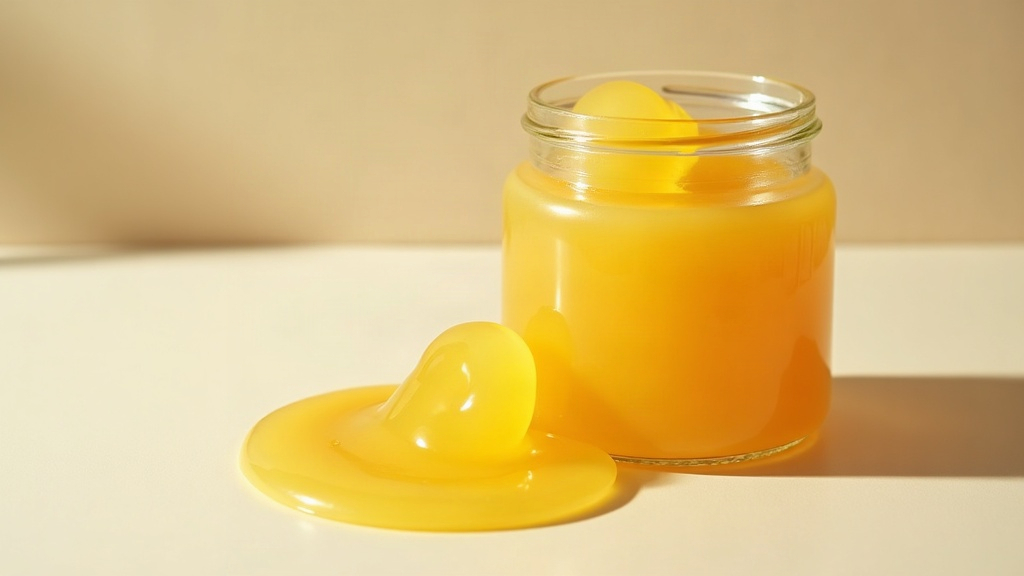
Most women are told to expect less collagen, less fullness, less structure as the years pass. This short educational video looks at why gelatin keeps coming up in kitchen traditions long before it became a wellness conversation.
Women are often told their bodies simply change on a fixed schedule. The reality is more layered, and these four areas explain why the conversation around gelatin and daily habits keeps resurfacing.
Collagen production doesn't stop overnight, it shifts gradually, and gelatin is one of the oldest kitchen ingredients associated with that structural protein family.
What made a woman feel full at twenty five doesn't always work the same way later, and that gap is often misunderstood as a personal failure rather than a biological shift.
Muscle composition shifts in ways that scales don't capture, which is why so many women feel confused when the number on the scale doesn't match how their clothes fit.
Decades of calorie-only advice treated every body the same, rarely addressing structural proteins, satiety cues, or the small daily habits that traditional kitchens relied on.
Some of the most repeated claims about female metabolism don’t hold up well once you look at how the body actually works.
Metabolism crashes the moment a woman turns thirty.
Metabolic rate shifts gradually across decades, influenced by muscle mass, sleep, and habits far more than a single birthday.
Eating less is always the answer.
Chronic under-eating can disrupt satiety signals and energy, which is why sustainable habits focus on quality and consistency instead.
Collagen only matters for skin.
Collagen is a structural protein found in joints, connective tissue, and more, which is why ingredients like gelatin are discussed well beyond skincare.
Rather than another rigid plan, this is a way of thinking about daily habits that traditional cooking already understood.
Start by paying attention to how fullness, energy, and skin feel across a normal week without changing anything yet.
Many older culinary traditions leaned on collagen-rich ingredients like gelatin as an everyday staple, not a trend.
Small, repeatable habits tend to hold up better over months than dramatic short-term changes.
Long before wellness aisles existed, home kitchens simmered bones and connective tissue for hours to make broths and gelatin-set dishes. This wasn’t about trends, it was about using the whole animal and not wasting collagen-rich parts. Grandmothers across many cultures made gelatin desserts and savory aspics as a matter of practicality, not aesthetics.
The insight worth sitting with: gelatin’s place in traditional cooking had nothing to do with modern marketing, it was simply how earlier generations preserved and used structural proteins in everyday meals.
Feeling hungry sooner after meals than you used to can be a sign worth paying attention to, not ignoring.
Skin that bounces back more slowly is a common structural signal tied to connective tissue changes.
Morning stiffness that eases with movement is often mentioned alongside collagen-related conversations.
Clothes fitting differently even when the scale stays the same is a frequently reported experience.
A predictable energy slump in the afternoon is worth tracking rather than dismissing as normal.
Nails that chip or grow slowly are sometimes brought up in the same conversations as skin and joint changes.
These are individual accounts shared for educational context. Individual results may vary and these statements are not a guarantee of any specific outcome.
Hydrolyzed gelatin is gelatin that has been broken down into smaller protein fragments, often used in food and wellness products for easier incorporation into recipes or drinks.
No. This is educational content exploring the history and conversation around gelatin and collagen, not a claim about specific outcomes.
Collagen is a structural protein relevant to skin, joints, and connective tissue, topics that are frequently discussed in women’s wellness conversations.
No. This content is educational only and does not replace guidance from a qualified healthcare professional.
Gelatin is derived from collagen through a cooking process, which is why the two are frequently discussed together in traditional and modern contexts.
It’s intended for women generally interested in learning more about traditional habits, collagen, and satiety-related topics.
The short video linked on this page walks through the full educational context in more detail.
Watch the short educational video that walks through this traditional ingredient conversation in more detail.
Advertising Disclosure: This page contains sponsored content and affiliate links. We may receive compensation if you engage with the links or offers presented on this page and any linked pages.
Content Disclaimer: This content is for educational purposes only and has not been evaluated by the FDA. It is not intended to diagnose, treat, cure, or prevent any disease. Always consult a qualified healthcare professional before making changes to your diet, habits, or wellness routine.
Results Disclaimer: Individual results may vary. Testimonials and shared experiences reflect personal accounts and are not a guarantee of any specific outcome for any individual.
© 2026 · All Rights Reserved · /contact/